Vigevano Cathedral / Duomo
Updated: Jun 24
Scorri a basso per l’Italiano
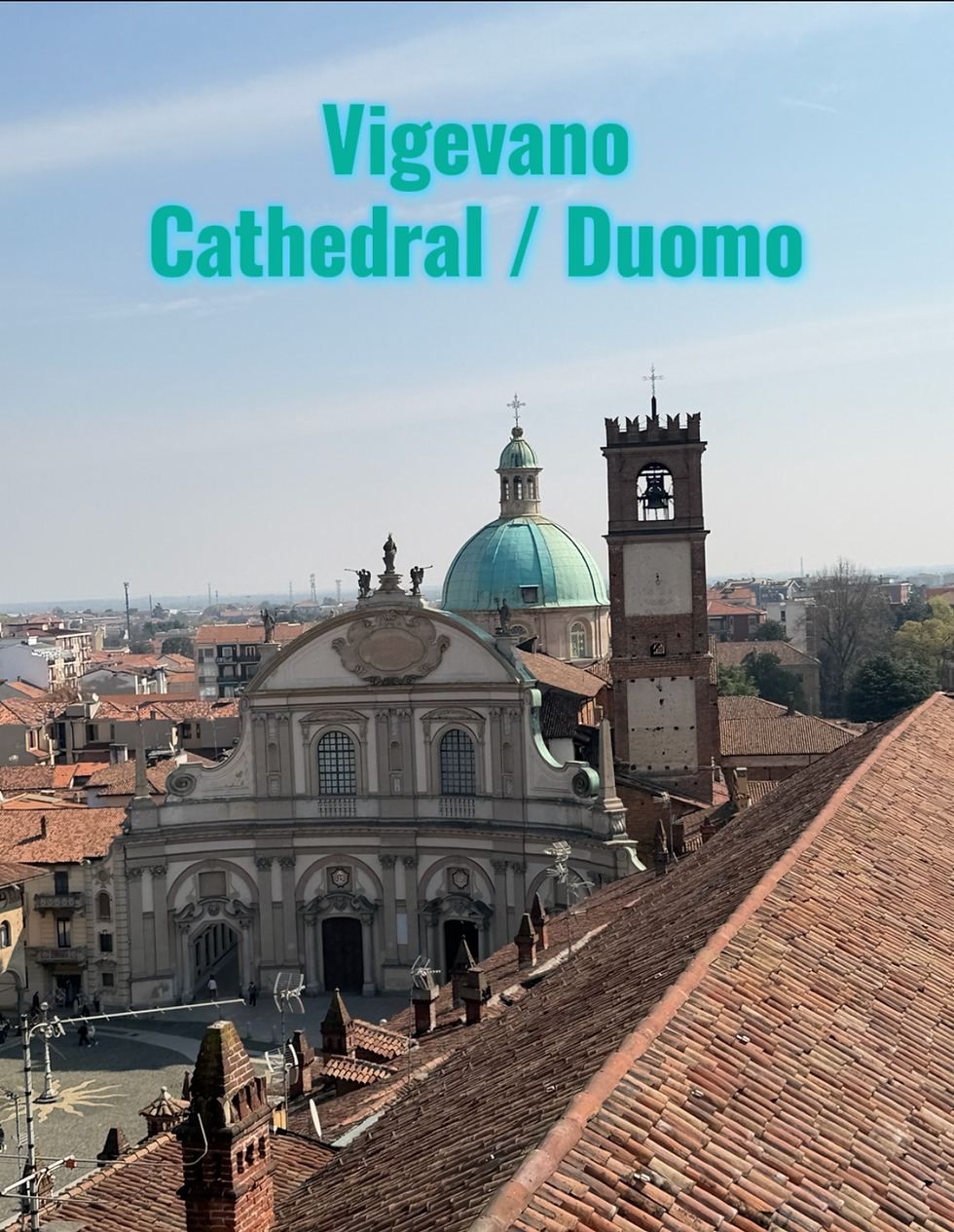
Today I went with Steven, Sarah, Weston and Jameson to Vigevano and enjoyed walking the large complex as well as had lunch. If you are in the Milano area, take a morning exploring this historical site.
Sant’Ambrogio (Ambrose) Cathedral is a Roman Catholic church in Vigevano, in the province of Pavia, stands at the end of Piazza Ducale and is one of the most important religious landmarks in the city. The site originally held a church dedicated to Ambrose dating back to the 10th century. In 1530, Pope Clement VII established the Diocese of Vigevano at the request of Francesco II Sforza, which led to the transformation of the church into a cathedral.
Construction of a larger Renaissance cathedral began in 1532 under the architect Antonio da Lonate, and the main structure was completed in the early 17th century. The church was officially consecrated on April 24, 1612. In 1680, Bishop Juan Caramuel y Lobkowitz commissioned a distinctive Baroque façade designed to harmonize the cathedral with Piazza Ducale.
The façade was built by Carlo Fontana and features an unusual, curved design rather than the typical flat church front. This concave form was intended to align with the perspective of the square and visually connect the cathedral with the surrounding Renaissance buildings. The façade is richly decorated with columns, pilasters, niches, and statues, arranged symmetrically to emphasize height, balance, and the grandeur of the structure.
Above the main entrance are sculptural details and ornamental elements that reflect Baroque artistic style. To the side of the cathedral stands a tall brick bell tower, which dates back to an earlier medieval structure and was later modified. It is an important part of the cathedral’s exterior and the skyline of Vigevano. The tower dates back to an earlier medieval structure, originally built before the current cathedral during the time when a smaller church stood on the site. When the Renaissance cathedral was constructed, the existing tower was preserved and later modified to match the newer building.
The tower rises high above Piazza Ducale and is built primarily of red Lombard brick, typical of medieval architecture in northern Italy. Its design is relatively simple compared to the elaborate Baroque façade of the cathedral, which creates a contrast between the older medieval element and the later Renaissance and Baroque additions. The upper section contains the bell chamber, where several bells are housed and used to mark religious services and important events in the city. Over the centuries the tower has undergone restorations to preserve its structure, but it still reflects the earlier architectural history of the cathedral complex.
The dome is one of the most prominent architectural feature of the building and also forms an important part of the skyline of Vigevano. It is covered with copper plating, which protects the structure and gives it a distinctive appearance when seen from different parts of the city. Its rounded form contrasts with the strong horizontal lines of Piazza Ducale, making the cathedral easily recognizable from afar. Architecturally, it reflects the continued development of the cathedral after the Renaissance period, incorporating elements of Baroque style that emphasize height, light, and dramatic spatial effects
The interior of the dome in forms one of the most striking parts of the cathedral’s design. Located above the crossing of the nave and transept, the dome creates a sense of height and openness within the church. Its interior surface is decorated with painted ornamentation and architectural detailing, which emphasize the vertical space and draw the viewer’s eye upward. The circular structure also includes windows around the base of the dome, allowing natural light to enter and illuminate the central area of the cathedral.
The dome helps highlight the main altar and the central crossing, making this part of the church the visual and spiritual focal point of the interior. The decoration reflects the Baroque artistic style, which aimed to create dramatic effects through light, space, and rich ornamentation. The combination of painted surfaces, structural ribs, and light from the windows gives the interior of the dome a bright and impressive appearance, contributing to the overall grandeur of the cathedral in Vigevano.
Like the dome, the interior of the cathedral is richly decorated and reflects several centuries of artistic and religious development. It follows a Latin cross plan, with a wide central nave, two side aisles, and a transept that leads to the main altar. The interior is characterized by high arches, marble altars, decorative stucco, and detailed frescoes, creating a bright and solemn space for worship.
Along the sides of the nave are several chapels dedicated to different saints, many of which were sponsored by local noble families and religious confraternities. These chapels contain important paintings and altarpieces from the Renaissance and later periods, including works associated with Lombard artists such as Bernardino Ferrari and Macrino d'Alba. The chapels are decorated with carved marble, sculptures, and religious imagery that illustrate scenes from the lives of saints and important events from Christian tradition.
At the center of the cathedral is the high altar, which is richly ornamented and serves as the focal point of the interior. Above the crossing of the nave and transept rises the large dome, completed in 1716, which allows natural light to illuminate the central space. The cathedral also contains a historic pipe organ built by the Serassi family of Bergamo in the 18th century, known for their famous organ-building tradition in northern Italy.
In addition, the cathedral houses a treasury with valuable liturgical objects, tapestries, and manuscripts, some dating back to the Renaissance period. Together, these architectural features, artworks, and sacred objects make the interior of the cathedral an important example of religious art and culture in Lombardy.
Today the cathedral is the spiritual and civic heart of Vigevano. It hosts major liturgical events, concerts, and festivals tied to the city’s patron Sant’Ambrogio and continues to anchor the identity of Piazza Ducale as a center of Lombard Renaissance heritage
Exterior / Esterno
Interior - Interno
Duomo di Vigevano
Oggi sono andato con Steven, Sarah, Weston e Jameson a Vigevano e mi sono goduto di passeggiare nel grande complesso e di pranzare. Se vi trovate nella zona di Milano, dedicatevi una mattinata a esplorare questo sito storico.
Il duomo di Sant'Ambrogio è una chiesa cattolica romana situata a Vigevano, nella provincia di Pavia, si trova alla fine di Piazza Ducale ed è uno dei più importanti monumenti religiosi della città. Il sito ospitava originariamente una chiesa dedicata ad Ambrogio risalente al X secolo. Nel 1530, papa Clemente VII istituì la Diocesi di Vigevano su richiesta di Francesco II Sforza, che portò alla trasformazione della chiesa in cattedrale.
La costruzione di una cattedrale rinascimentale più grande iniziò nel 1532 sotto la guida dell'architetto Antonio da Lonate, e la struttura principale fu completata all'inizio del XVII secolo. La chiesa fu ufficialmente consacrata il 24 aprile 1612. Nel 1680, il vescovo Juan Caramuel y Lobkowitz commissionò una caratteristica facciata barocca progettata per armonizzare la cattedrale con Piazza Ducale.
La facciata fu costruita da Carlo Fontana e presenta un design insolito e curvo, piuttosto che la tipica facciata piatta di una chiesa. Questa forma concava era pensata per allinearsi con la prospettiva della piazza e collegare visivamente la cattedrale agli edifici rinascimentali circostanti. La facciata è riccamente decorata con colonne, lesene, nicchie e statue, disposte simmetricamente per enfatizzare l'altezza, l'equilibrio e la grandiosità della struttura.
Sopra l'ingresso principale si trovano dettagli scultorei ed elementi ornamentali che riflettono lo stile artistico barocco. Ai lati della cattedrale si trova un alto campanile in mattoni, che risale a una struttura medievale precedente e successivamente modificato. È una parte importante dell'esterno della cattedrale e dello skyline di Vigevano. La torre risale a una struttura medievale precedente, originariamente costruita prima dell'attuale cattedrale, durante il periodo in cui sul sito sorgeva una chiesa più piccola. Quando fu costruita la cattedrale rinascimentale, la torre esistente fu preservata e successivamente modificata per adattarsi all'edificio più recente.
La torre si eleva in alto sopra Piazza Ducale ed è costruita principalmente in mattoni lombardi rossi, tipici dell'architettura medievale del nord Italia. Il suo design è relativamente semplice rispetto alla elaborata facciata barocca della cattedrale, che crea un contrasto tra l'elemento medievale più antico e le successive aggiunte rinascimentali e barocche. La sezione superiore ospita la camera delle campane, dove sono ospitate diverse campane utilizzate per commemorare i servizi religiosi e gli eventi importanti della città. Nel corso dei secoli la torre è stata sottoposta a restauri per preservarne la struttura, ma riflette ancora la storia architettonica precedente del complesso cattedrale.
La cupola è una delle caratteristiche architettoniche più prominenti dell'edificio e costituisce anche una parte importante dello skyline di Vigevano. È rivestita con placcatura di rame, che protegge la struttura e le conferisce un aspetto distintivo quando vista da diverse parti della città. La sua forma arrotondata contrasta con le forti linee orizzontali di Piazza Ducale, rendendo la cattedrale facilmente riconoscibile da lontano. Dal punto di vista architettonico, riflette lo sviluppo continuo della cattedrale dopo il Rinascimento, incorporando elementi dello stile barocco che enfatizzano l'altezza, la luce e effetti spaziali drammatici
L'interno della cupola rappresenta una delle parti più sorprendenti del design della cattedrale. Situata sopra l'incrocio della navata e del transetto, la cupola crea un senso di altezza e apertura all'interno della chiesa. La sua superficie interna è decorata con ornamenti dipinti e dettagli architettonici che enfatizzano lo spazio verticale e attirano lo sguardo verso l'alto. La struttura circolare include anche finestre attorno alla base della cupola, che permettono alla luce naturale di entrare e illuminare l'area centrale della cattedrale.
La cupola aiuta a mettere in risalto l'altare maggiore e la croce centrale, rendendo questa parte della chiesa il punto focale visivo e spirituale dell'interno. La decorazione riflette lo stile artistico barocco, che mirava a creare effetti drammatici attraverso luce, spazio e ricca ornamentazione. La combinazione di superfici dipinte, costole strutturali e luce proveniente dalle finestre conferisce all'interno della cupola un aspetto luminoso e impressionante, contribuendo alla grandiosità complessiva della cattedrale di Vigevano.
Come la cupola, l'interno della cattedrale è riccamente decorato e riflette diversi secoli di sviluppo artistico e religioso. Segue una pianta a croce latina, con una larga navata centrale, due navate laterali e un transetto che conduce all'altare maggiore. L'interno è caratterizzato da archi alti, altari in marmo, stucchi decorativi e affreschi dettagliati, creando uno spazio luminoso e solenne per il culto.
Lungo i lati della navata si trovano diverse cappelle dedicate a diversi santi, molte delle quali sponsorizzate da famiglie nobili locali e confraternite religiose. Queste cappelle contengono importanti dipinti e altare risalenti al Rinascimento e a periodi successivi, tra cui opere associate ad artisti longobardi come Bernardino Ferrari e Macrino d'Alba. Le cappelle sono decorate con marmo scolpito, sculture e immagini religiose che illustrano scene della vita dei santi e importanti eventi della tradizione cristiana.
Al centro della cattedrale si trova l'altare maggiore, riccamente ornato e che funge da punto focale dell'interno. Sopra l'incrocio della navata e del transetto si erge la grande cupola, completata nel 1716, che permette alla luce naturale di illuminare lo spazio centrale. La cattedrale ospita anche uno storico organo a canne costruito dalla famiglia Serassi di Bergamo nel XVIII secolo, nota per la loro famosa tradizione di costruttore di organi nel nord Italia.
Inoltre, la cattedrale ospita un tesoro con preziosi oggetti liturgici, arazzi e manoscritti, alcuni risalenti al periodo rinascimentale. Insieme, queste caratteristiche architettoniche, opere d'arte e oggetti sacri rendono l'interno della cattedrale un importante esempio di arte e cultura religiosa in Lombardia.
Oggi la cattedrale è il cuore spirituale e civico di Vigevano. Ospita importanti eventi liturgici, concerti e feste legate al patrono della città, Sant'Ambrogio, e continua a consolidare l'identità di Piazza Ducale come centro del patrimonio rinascimentale longobardo


Comments